How Does a Non-Surgical Root Canal Work?
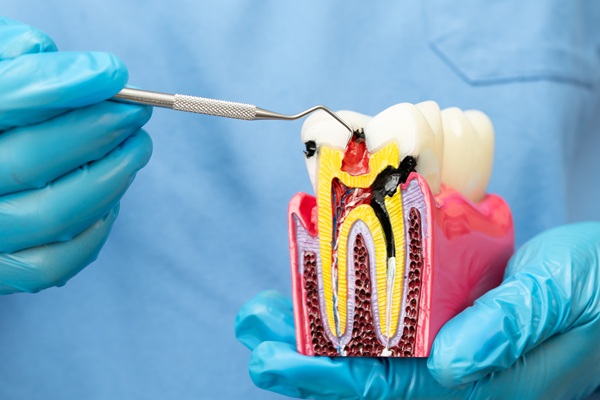
A non-surgical root canal helps preserve a tooth when the inner pulp becomes inflamed or infected. This type of treatment removes harmful bacteria without the need for surgery, making it a reliable option for preserving natural teeth. The non-surgical root canal process focuses on cleaning, disinfecting, and sealing the inside of the tooth to prevent further issues.
When to consider a non-surgical root canal
Signs of pulp damage may include lingering tooth sensitivity, sharp pain when biting, or swelling near the gums. A non-surgical root canal is often necessary when a cavity, a cracked tooth, or repeated dental work exposes the pulp to bacteria. Treating the issue early can help avoid extraction and restore the tooth to full function.
What happens during a non-surgical root canal?
While undergoing a root canal, even a non-surgical one, may seem daunting, it is actually a simple process. Non-surgical root canal treatment typically involves the following steps:
- Diagnostic imaging: X-rays help evaluate the extent of the infection and determine the shape of the canals.
- Local anesthesia: A numbing agent is applied to keep the patient comfortable throughout the procedure.
- Access and cleaning: The endodontist creates a small opening in the tooth to remove the damaged pulp and thoroughly clean the canals.
- Shaping and disinfection: The canals are shaped using specialized tools and disinfected with antibacterial solutions to eliminate remaining bacteria.
Each of these steps can help ensure the inside of the tooth is completely clean and ready for sealing.
Protecting the tooth after a non-surgical root canal
After the internal cleaning, the endodontist fills the canals with a rubber-like material called gutta-percha. This filling material supports the internal structure and seals the tooth against future infection. A temporary filling may be placed on top until a permanent crown or restoration is complete. However, it is important to remember that non-surgical root canals only remove active threats against a tooth. It is a restoration that protects it.
In most cases, the endodontist will recommend a dental crown following a non-surgical root canal. This added layer strengthens the tooth and helps restore full chewing ability. The crown also protects the treated tooth from fracture or further damage.
Recovery and aftercare tips
Patients typically return to normal activities shortly after treatment. Mild soreness may occur near the treated tooth, but this usually improves within a few days. To support healing:
- Avoid chewing on the treated side until a permanent restoration is in place
- Practice good brushing and flossing habits to protect surrounding teeth
- Follow any specific care instructions from the endodontist
Follow-up visits help confirm that the tooth is healing properly and that no new symptoms develop.
Schedule an appointment
A non-surgical root canal is a safe, effective way to treat deep tooth infections while preserving the natural tooth. With careful planning and expert care from an endodontist, this approach promotes lasting oral health without the need for surgery. If you are interested in learning more about non-surgical root canals or are experiencing a compromised pulp chamber, contact Palisades Endodontics and Dental Implant Center and schedule an appointment.
Request an appointment here: https://www.palisades-endo.com/ or call Palisades Endodontics and Dental Implant Center at (201) 877-1190 for an appointment in our Fort Lee office.
Check out what others are saying about our services on Yelp: Read our Yelp reviews.
Related Posts
Emergency root canals can relieve pain, address infection, and preserve the natural tooth structure whenever possible. While only a dental provider can determine whether this treatment is needed, it is important to know the warning signs that you may need one. That way, you can act fast should you need this tooth-saving treatment from an…
An apicoectomy is a restorative procedure that saves a natural tooth when a standard root canal treatment does not fully resolve an infection at the root tip. While the idea of a root-end surgery sounds complex, the recovery process is often straightforward when a patient follows a clear plan for comfort and healing. Our practice…
A dental implant is an effective way to replace missing teeth, and it offers benefits that other options, such as dentures, do not. However, before deciding whether dental implants are suitable, you should have a complete picture of how they work and what you can expect.Not all patients are good candidates for dental implants. The…
Dental implants offer tooth replacement that most closely resembles natural teeth. Due to their aesthetic and functional benefits, they are quickly becoming one of the leading options for tooth replacement. Understanding the basics of the process, including requirements for candidacy, can help patients decide if this is the right option for them.A dental implant is…