First Aid Tips for Dislodged Teeth
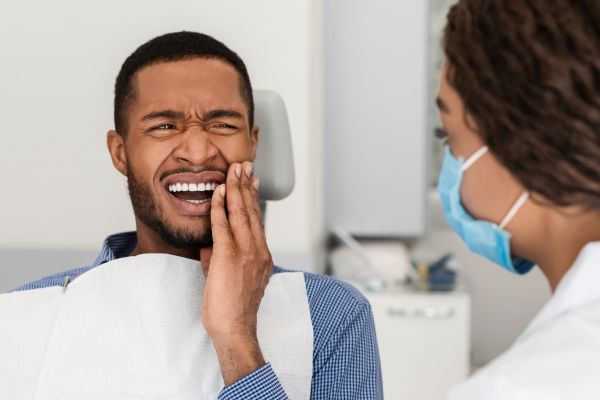
A dislodged tooth can result from a fall, sports injury, or accident, and prompt first aid can help protect the tooth and the surrounding gum. Dislodged teeth include teeth that shift out of position, partially come out, or get pushed into the socket. A general dentist often sees these injuries as emergencies because timing affects treatment options. Knowing what to do in the first minutes can reduce complications and support healing.
Know what “dislodged” means
A tooth can move in several ways after trauma. A luxated tooth shifts but stays in the socket, and it may look longer, shorter, or angled. An extruded tooth partially dislodges from the socket and may feel loose. An intruded tooth is pushed upward into the gum and may appear shorter than nearby teeth. An avulsed tooth comes all the way out completely, requiring urgent action that differs from other dislodged teeth. A dentist should evaluate any traumatic tooth injury, even when the pain feels mild, because roots and bone can also sustain damage.
Steps to take right away
First aid focuses on protecting the tooth, controlling bleeding, and getting to dental care quickly. Calm the injured person, check for signs of head injury, and look for broken tooth fragments. If heavy bleeding, vomiting, confusion, or severe facial swelling occur, emergency medical care should take priority.
Follow these immediate steps:
- Rinse the mouth gently with clean water to clear blood and debris
- Apply gauze or a clean cloth with steady pressure to control bleeding
- Use a cold pack on the cheek for 10 minutes on, 10 minutes off
- Avoid wiggling the tooth or biting down to “test” it
- Call a dental office right away for urgent guidance and scheduling
These actions can limit swelling and reduce additional trauma. They also help a dentist assess the injury sooner.
What to do with a tooth that comes out
If the tooth comes out completely, handle it by the crown, not the root. If dirt is present, rinse briefly with saline or milk, or use clean water for a quick rinse, then stop. If possible, place the tooth back into the socket gently and have the patient bite on gauze to keep it stable, as long as the person stays alert and can follow directions. If reinsertion does not feel possible, store the tooth in milk, saline, or the patient’s saliva by placing it inside the cheek, if safe. Avoid storing the tooth in plain water, which can damage root cells.
What not to do
Do not scrub the tooth, scrape the root, or use soap or disinfectants. Do not wrap the tooth in arty tissue, as dryness can damage the root surface. Do not delay care because pain seems manageable, since the nerve and ligament can still suffer injury. Do not apply aspirin directly to the gums, as it can burn the tissue. A dentist will decide whether the tooth needs repositioning, splinting, root canal treatment, or close monitoring with X-rays.
When to follow up
After first aid, a dentist should evaluate the tooth, gums, and bite, and they may recommend a soft diet and careful brushing around the area. Follow-up visits often check stability, nerve response, and signs of infection. Parents should monitor children closely because developing teeth can react differently to trauma than adult teeth. For more information or to schedule an appointment, call our office.
To schedule a consultation, please request an appointment on our website at https://www.palisades-endo.com or call Palisades Endodontics and Dental Implant Center at (201) 877-1190 to arrange an appointment at our Fort Lee office.
Check out what others are saying about our dental services on Yelp: Dislodged Teeth in Fort Lee, NJ.
Related Posts
An apicoectomy is a restorative procedure that saves a natural tooth when a standard root canal treatment does not fully resolve an infection at the root tip. While the idea of a root-end surgery sounds complex, the recovery process is often straightforward when a patient follows a clear plan for comfort and healing. Our practice…
A dental implant is an effective way to replace missing teeth, and it offers benefits that other options, such as dentures, do not. However, before deciding whether dental implants are suitable, you should have a complete picture of how they work and what you can expect.Not all patients are good candidates for dental implants. The…
Dental implants offer tooth replacement that most closely resembles natural teeth. Due to their aesthetic and functional benefits, they are quickly becoming one of the leading options for tooth replacement. Understanding the basics of the process, including requirements for candidacy, can help patients decide if this is the right option for them.A dental implant is…
Dental implants can last for decades when successful. Unfortunately, like any medical device, they can occasionally fail for various reasons. Understanding dental implant failure, what causes it, and how to prevent it can help you enjoy dental implants for their expected lifespan.Dental implants are metal posts designed to replace tooth roots. A dental provider will…