Apicoectomy Explained: When It’s Needed and What to Expect
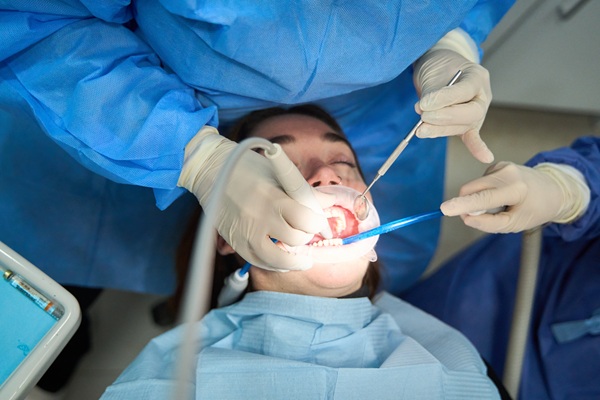
Learning that you need an apicoectomy can cause anxiety. This procedure is a level higher than a root canal. Understanding this endodontic surgery can help you prepare for your upcoming appointment. Here are the things that you need to know about an apicoectomy.
When it is needed
Research shows that dental roots are complicated structures. Bacteria invading the root branches cause inflammation and infection. It is unclear where the infection is in these areas, but an apicoectomy is often the ideal treatment for it. An oral surgeon will suggest this procedure if the individual needs it after a root canal.
The procedure
An oral surgeon with extensive skills and experience will perform the apicoectomy. Taking the patient’s history and examining the tooth are necessary in creating the treatment plan. This plan will custom-fit the procedure for the patient’s needs. The goal is to remove the infection in the dental roots. The following are the steps involved:
- The surgeon will numb the area with a local anesthetic. This step will make the procedure painless.
- Creating an access window to the tooth will follow. The surgeon will use appropriate tools to remove the infected tissue and the dental root tip.
- Cleaning and resealing the root tip will come next. The surgeon will fill it and then stitch the gum tissue in place. Doing so will prevent the onset of infection.
- Ordering scans and X-rays will ensure the accuracy of the apicoectomy. The process may differ from person to person depending on the set of needs.
- Studies reveal that in most cases, the tissue and bone will heal around the treated root. The root’s function will come back after the surgery.
The risks
There will be mild swelling after the apicoectomy until the incision heals up. Mild pain is also normal. This minor surgery has higher risks than a regular root canal treatment. A skilled dental professional can reduce these risks. The patient must follow the dentist’s pre- and post-surgical instructions. The known risks of an apicoectomy are the following:
- Adverse reactions to medications
- Fever
- Intense pain
- Worsening swelling
Recovery
The oral surgeon may prescribe anti-inflammatory medications after the apicoectomy. Taking over-the-counter pain relievers is also an option. Follow the surgeon’s instructions when taking these medications. The patient must also keep follow-up appointments. These visits will enable the surgeon to check on the patient’s surgical site to see if it is healing well.
Depending on the patient, swelling and pain may last for three days to a few weeks. The provider may suggest applying a cold compress to the area a few times during the first 12 hours after the apicoectomy. Studies show that cold helps reduce pain and swelling. Rest is important in the patient’s recovery. Refrain from drinking through a straw, vigorous brushing, or eating hard foods. The oral surgeon will provide instructions on how to keep the area clean and free from infection.
An apicoectomy is necessary to regain your oral health and improve your quality of life
In some cases, a root canal is not enough to end oral pain and infection. The oral surgeon may suggest an apicoectomy to correct the situation. This minor oral surgery treats the dental root. Working with your provider can help you heal faster and prevent complications.
Request an appointment here: https://www.palisades-endo.com or call Palisades Endodontics and Dental Implant Center at (201) 877-1190 for an appointment in our Fort Lee office.
Check out what others are saying about our services on Yelp: Apicoectomy in Fort Lee, NJ.
Related Posts
When a patient has lost a tooth, they often feel self-conscious about the gap, which a dental implant can address. It can mimic a natural tooth in multiple ways and provide many of the same benefits as a natural tooth. While it is true that getting a dental implant is a more involved process than…
Dental implants offer a permanent solution for missing teeth. They look, feel, and function like natural teeth, making them a popular option for those looking to restore their smile. However, while dental implants are durable and designed to last a lifetime, they require proper care to ensure their long-term success.Similar to natural teeth, dental implants…
Missing teeth are more than a cosmetic concern. They can impact your ability to eat, speak, and maintain your overall oral health. Fortunately, dental implants are a permanent and effective tooth replacement solution. Dental implants are designed to look, feel, and function like natural teeth, helping you regain confidence in your smile. Due to their…
Dental implants are an effective solution for replacing missing teeth, offering a long-term option to improve the function and appearance of your smile. However, like any medical procedure, there are risks and complications of dental implants, including implant failure. It is important to recognize the signs and symptoms of dental implant failure as soon as…