Tips for Recovering From a Pulpectomy
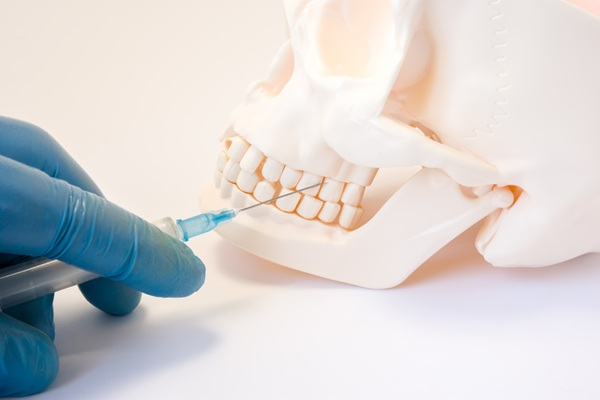
A pulpectomy is a common endodontic procedure that treats infected or damaged tooth pulp, often performed when a root canal treatment is necessary. During the procedure, the endodontist removes this infected pulp tissue from the tooth and then cleans and seals the space. While a pulpectomy can effectively alleviate pain and save a tooth from further damage, proper recovery is crucial to ensure long-term success.
Post-treatment care for a pulpectomy
After a pulpectomy, some discomfort or mild swelling is normal. However, proper care during the recovery period can minimize any adverse symptoms and ensure the healing process is as smooth as possible. Patients should follow the instructions provided by the endodontist to prevent complications and promote healing.
It is important to avoid chewing on the treated tooth immediately after the procedure. The endodontist will temporarily seal the tooth, but any pressure from chewing may cause discomfort or damage to the filling. For the first few days, stick to soft foods that do not require much chewing. Avoid sticky or hard foods that could affect the temporary seal or cause unnecessary stress on the treated tooth.
Pain management and swelling reduction
Pain management is a crucial aspect of recovery following a pulpectomy. Over-the-counter pain relievers such as ibuprofen or acetaminophen can help alleviate discomfort. Following the prescribed dosage instructions ensures that the pain is kept under control while minimizing the risk of complications. In some cases, the endodontist may recommend a stronger pain medication if necessary.
Swelling is a common side effect after any dental procedure, and a pulpectomy is no exception. Applying a cold compress to the outside of the cheek near the treatment area can reduce swelling and help manage pain. Be sure to apply the compress for 15 to 20-minute intervals and avoid direct pressure on the treated tooth. The swelling usually subsides within the first 48 hours. However, if it persists or worsens, it is essential to contact the endodontist for further evaluation.
Follow-up care and final restoration
A follow-up appointment is typically necessary within a few weeks after a pulpectomy. During this visit, the endodontist will evaluate the healing process and check for any signs of infection or complications. It is essential to attend this follow-up appointment, as it allows the dentist to assess whether the tooth is healing properly and determine if any additional treatment is necessary.
Once the tooth heals and the infection resolves, the endodontist or another dental professional, like a general dentist, can place a permanent crown to fully restore the tooth's function and strength. This is essential for ensuring the tooth remains protected from future damage and that its function is fully restored. The final restoration will help protect the tooth from further decay and provide the necessary support for daily chewing.
Call us for more information
Recovering from a pulpectomy is generally straightforward, with most patients experiencing mild discomfort and swelling during the initial recovery period. While the above tips are here to serve as a guide, we understand that you may have more questions. If you or a loved one has recently undergone a pulpectomy, contact our office for more information on ensuring a smooth recovery.
Request an appointment here: https://www.palisades-endo.com/ or call Palisades Endodontics and Dental Implant Center at (201) 877-1190 for an appointment in our Fort Lee office.
Check out what others are saying about our dental services on Yelp: Pulpectomy in Fort Lee, NJ.
Related Posts
An apicoectomy is a restorative procedure that saves a natural tooth when a standard root canal treatment does not fully resolve an infection at the root tip. While the idea of a root-end surgery sounds complex, the recovery process is often straightforward when a patient follows a clear plan for comfort and healing. Our practice…
A dental implant is an effective way to replace missing teeth, and it offers benefits that other options, such as dentures, do not. However, before deciding whether dental implants are suitable, you should have a complete picture of how they work and what you can expect.Not all patients are good candidates for dental implants. The…
Dental implants offer tooth replacement that most closely resembles natural teeth. Due to their aesthetic and functional benefits, they are quickly becoming one of the leading options for tooth replacement. Understanding the basics of the process, including requirements for candidacy, can help patients decide if this is the right option for them.A dental implant is…
Dental implants can last for decades when successful. Unfortunately, like any medical device, they can occasionally fail for various reasons. Understanding dental implant failure, what causes it, and how to prevent it can help you enjoy dental implants for their expected lifespan.Dental implants are metal posts designed to replace tooth roots. A dental provider will…