Treatment Options for a Chipped Tooth
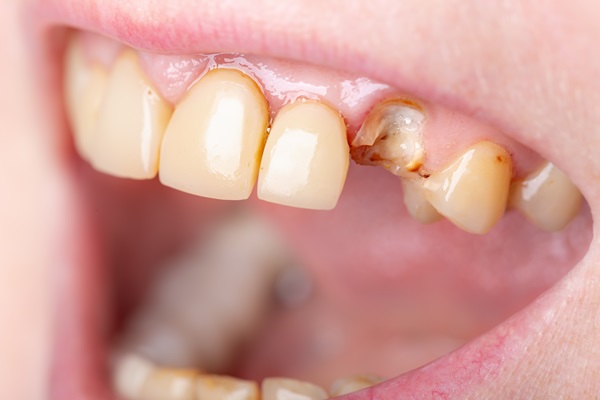
A chipped tooth, also known as a broken cusp, can be quite a common occurrence, but it is important not to ignore it. Whether it is caused by biting down on something too hard or due to a sports injury, leaving a chipped tooth untreated can result in further complications. Fortunately, many treatment options are available to fix a broken cusp, depending on the severity of the damage. Here we will look closer at some of the most common treatment options for a broken cusp and help you understand which one might be best suited for your needs.
Why you should treat a chipped tooth
A broken cusp might not seem like a major dental issue, but it can cause significant pain and discomfort if left untreated. In fact, a broken cusp can lead to more severe dental problems down the road, including tooth decay, infection, and even tooth loss.
A broken cusp can also affect the appearance of your smile, leading to self-consciousness and embarrassment. Additionally, if the chip is located on a front tooth, it can be challenging to eat, speak, and even breathe properly.
Treating a broken cusp promptly is essential to prevent further complications and ensure your oral health and well-being. You can avoid more severe dental problems and maintain a healthy, beautiful smile by seeking professional dental care.
Treatment options
If you have a broken cusp, various treatment options are available to restore your smile and prevent further damage. A few common options to consider:
Dental bonding
Dental bonding is a cosmetic procedure that uses tooth-colored resin to fill in chips and cracks in your teeth. The resin is applied directly to the damaged area and hardened with a special light. Bonding is a quick and painless option that can be completed in a single visit.
Porcelain veneers
Porcelain veneers could be a better option if you have multiple chips or more significant damage. Veneers are thin, custom-made shells covering the front surface of your teeth to improve their appearance. These can also help protect your teeth from further damage.
Dental crowns
A dental crown is a cap placed over a damaged tooth's entire surface to restore its shape and function. Crowns are typically porcelain, metal, or a combination of both and are a more durable option than dental bonding or veneers.
Root canal therapy
If the chip in your tooth has exposed the sensitive inner pulp, you may need root canal therapy to remove the damaged tissue and protect the tooth from further decay. Root canal therapy involves:
- Removing the damaged pulp
- Cleaning the inside of the tooth
- Filling it with a special material to restore its shape and function
Please note the treatment option that is best for you will depend on the extent of the damage and the location of the broken cusp. Your dentist will be able to assess your situation and recommend the best action to take.
Prevention tips
Preventing a broken cusp is always better than dealing with the aftermath. Some prevention tips to keep your teeth in good shape include:
- Avoid Hard Foods: Avoid biting on hard foods, like ice, hard candy, and popcorn kernels. They can easily chip or break your teeth.
- Wear Mouth Guards: If you play contact sports or grind your teeth, consider wearing a mouth guard to protect your teeth from injury.
- Do not Chew on Objects: Chewing on pens, pencils, or other objects can put unnecessary pressure on your teeth and lead to chipping.
Following these prevention tips can reduce your risk of chipping a tooth and maintain good oral health. However, accidents can still happen, so if you experience a broken cusp, seek treatment immediately to prevent further damage.
Request an appointment here: https://www.palisades-endo.com/ or call Palisades Endodontics and Dental Implant Center at (201) 877-1190 for an appointment in our Fort Lee office.
Check out what others are saying about our dental services on Yelp: Emergency Dental Care in Fort Lee, NJ.
Related Posts
Emergency root canals can relieve pain, address infection, and preserve the natural tooth structure whenever possible. While only a dental provider can determine whether this treatment is needed, it is important to know the warning signs that you may need one. That way, you can act fast should you need this tooth-saving treatment from an…
An apicoectomy is a restorative procedure that saves a natural tooth when a standard root canal treatment does not fully resolve an infection at the root tip. While the idea of a root-end surgery sounds complex, the recovery process is often straightforward when a patient follows a clear plan for comfort and healing. Our practice…
A dental implant is an effective way to replace missing teeth, and it offers benefits that other options, such as dentures, do not. However, before deciding whether dental implants are suitable, you should have a complete picture of how they work and what you can expect.Not all patients are good candidates for dental implants. The…
Dental implants offer tooth replacement that most closely resembles natural teeth. Due to their aesthetic and functional benefits, they are quickly becoming one of the leading options for tooth replacement. Understanding the basics of the process, including requirements for candidacy, can help patients decide if this is the right option for them.A dental implant is…