When You Should Consult a Root Canal Specialist
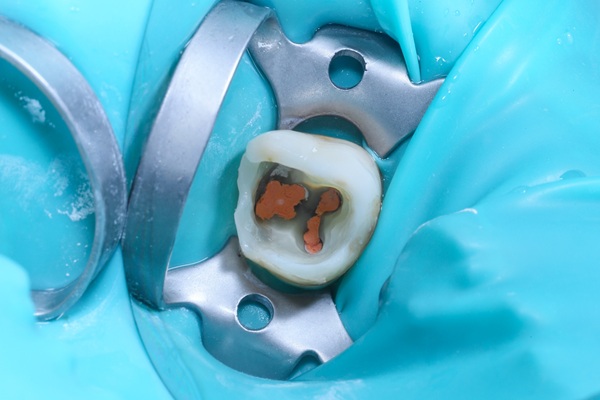
Wondering when you should consult with a root canal specialist? Read on to learn more. Root canals are dental procedures designed to save teeth with severe damage or infection. A root canal specialist will ensure you get the best care for your dental needs.
When to consult a root canal specialist
When faced with the following conditions, consulting a root canal specialist as soon as possible is a good idea:
Severe tooth pain
Experiencing intense, persistent tooth pain can be distressing and often signifies a deeper issue. This kind of agony may indicate an infected or damaged tooth pulp, the innermost part of the tooth housing nerves and blood vessels. Regular dentists are proficient in diagnosing and treating various dental conditions, but if the pain is excruciating and fails to respond to conventional treatments, it may be a sign to see a root canal specialist. They possess specialized skills in diagnosing and managing complex root canal problems.
Tooth sensitivity to hot and cold
Tooth sensitivity to hot and cold temperatures is a relatively common concern, but it could signal an underlying issue when it becomes unbearable or persists for an extended period. Endodontists excel in identifying the source of extreme temperature sensitivity, which frequently necessitates root canal treatment to provide lasting relief.
Swollen gums and facial swelling
Swollen gums or facial swelling near a tooth can indicate an infection in the tooth's pulp. In such cases, immediate attention is essential to prevent the infection from spreading further. An endodontist can assess the extent of the infection and, if necessary, perform a root canal to save your tooth and alleviate discomfort.
Dental trauma
Accidents or injuries to the teeth can lead to pulp damage, even if there are no visible cracks or fractures. A cracked or fractured tooth can expose the pulp to harmful bacteria, potentially leading to infection. Endodontists can assess the severity of tooth fractures and determine whether a root canal is necessary to save the tooth. Swift action is critical to save the tooth and avoid potential complications.
Deep cavities and tooth decay
Deep cavities and extensive tooth decay can result in pulp inflammation and infection. Although dentists often manage many cases of tooth decay with fillings or crowns, a root canal may be the most appropriate course of action if the decay has reached the pulp. An endodontist can assess the extent of the damage and recommend the necessary treatment.
Failed previous root canal
Unfortunately, a previously treated root canal can fail or develop complications over time. Consulting an endodontist is crucial if a patient is experiencing persistent pain, infection recurrence, or any unusual symptoms related to a tooth that has previously undergone a root canal. They can conduct a comprehensive evaluation and, if needed, provide retreatment to address the issue effectively.
Conclusion
When dealing with complex or severe dental issues related to a tooth's pulp, turning to a root canal specialist is a wise choice. Their specialized training and experience in diagnosing and treating root canal problems make them the go-to professionals for preserving damaged or infected teeth. Remember that early intervention can often prevent the need for tooth extraction and help you maintain a healthy, pain-free smile.
Request an appointment here: https://www.palisades-endo.com/ or call Palisades Endodontics and Dental Implant Center at (201) 877-1190 for an appointment in our Fort Lee office.
Check out what others are saying about our services on Yelp: Root Canal Specialist in Fort Lee, NJ.
Related Posts
A dental implant is an effective way to replace missing teeth, and it offers benefits that other options, such as dentures, do not. However, before deciding whether dental implants are suitable, you should have a complete picture of how they work and what you can expect.Not all patients are good candidates for dental implants. The…
Dental implants offer tooth replacement that most closely resembles natural teeth. Due to their aesthetic and functional benefits, they are quickly becoming one of the leading options for tooth replacement. Understanding the basics of the process, including requirements for candidacy, can help patients decide if this is the right option for them.A dental implant is…
Dental implants can last for decades when successful. Unfortunately, like any medical device, they can occasionally fail for various reasons. Understanding dental implant failure, what causes it, and how to prevent it can help you enjoy dental implants for their expected lifespan.Dental implants are metal posts designed to replace tooth roots. A dental provider will…
When dental patients are in need of a root canal, they may be referred to an endodontist for the procedure. Most patients receive this treatment in a timely manner, usually within a week or two of the last visit. However, there are situations where root canal treatment is more pressing and should be completed as…